

If someone told you creatine was only for bodybuilders trying to add mass, I get why you believed them. That is the reputation it has had for decades. But here is what most people miss: the research on creatine and recovery is just as compelling as the research on creatine and strength. Many lifters, nurses, weekend runners, and busy parents who take it consistently report feeling less wrecked between sessions, not just stronger over time.
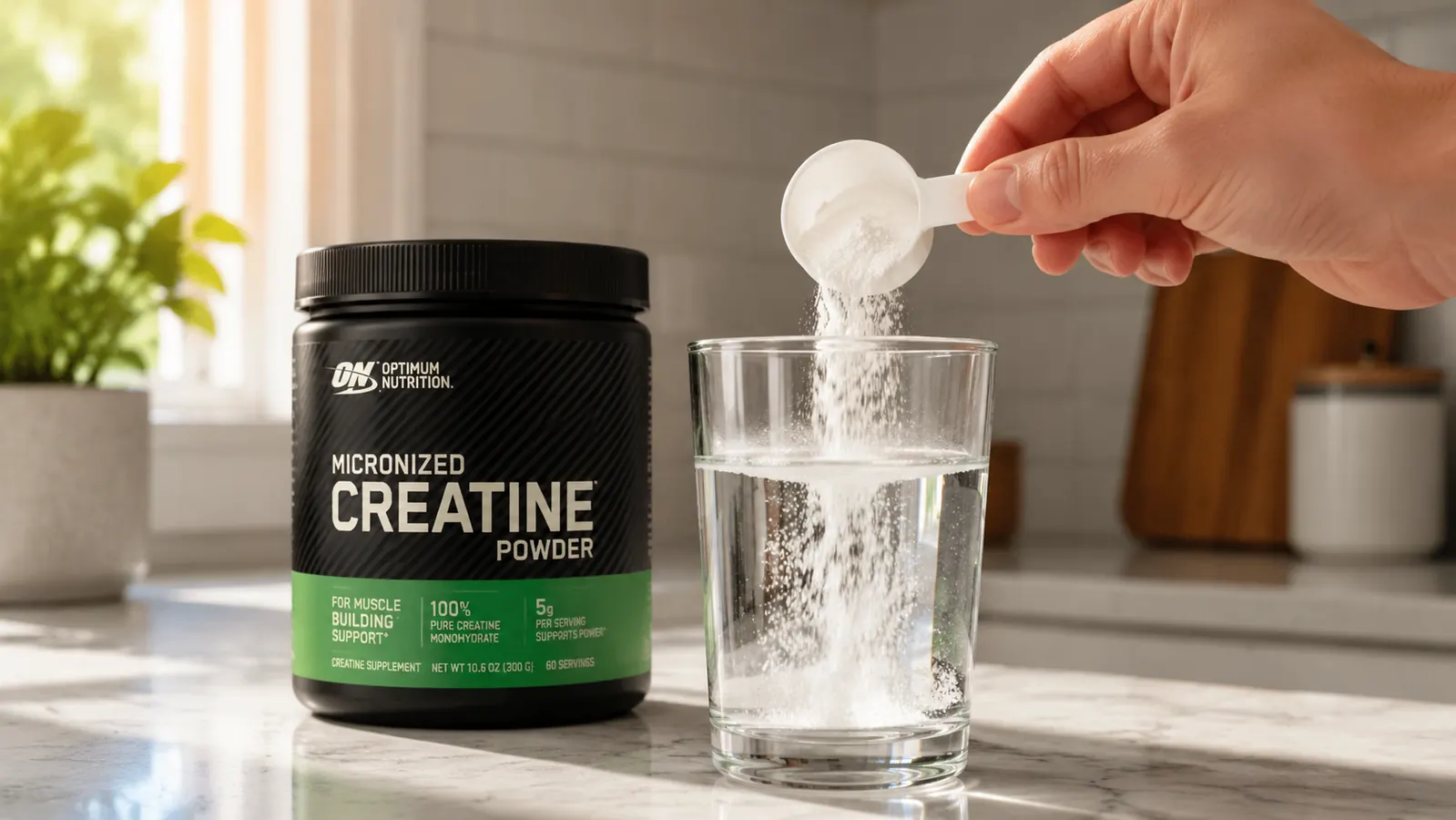
The supplement I keep coming back to is Optimum Nutrition Micronized Creatine Monohydrate, which has over 104,000 Amazon reviews and a 4.6-star rating. It is unflavored, mixes cleanly, and costs less than most coffee habits. Below are 10 reasons the research suggests creatine monohydrate belongs in your recovery routine, not just your strength program. As always, none of this is medical advice. Talk to your doctor or registered dietitian before adding any new supplement, especially if you have a health condition or take medications.
Your muscles are already doing the hard work. Give them the fuel to recover faster.
Optimum Nutrition Micronized Creatine Monohydrate is the most researched form of creatine available, with over 104,000 Amazon reviews from real athletes, lifters, nurses, and weekend warriors. Unflavored, easy to mix, and built for daily use.
Amazon Check Today's Price on Amazon →It Replenishes ATP Faster After Hard Efforts
Creatine phosphate is what your muscles use to regenerate ATP, the immediate energy currency your cells run on. Research suggests that supplementing with creatine monohydrate increases muscle phosphocreatine stores, which means your body can restore ATP more quickly between sets, intervals, or demanding shifts. Many athletes report feeling less depleted going into their second or third effort of a session. That faster ATP turnover is the foundation of almost every other recovery benefit on this list.
It May Reduce Delayed Onset Muscle Soreness
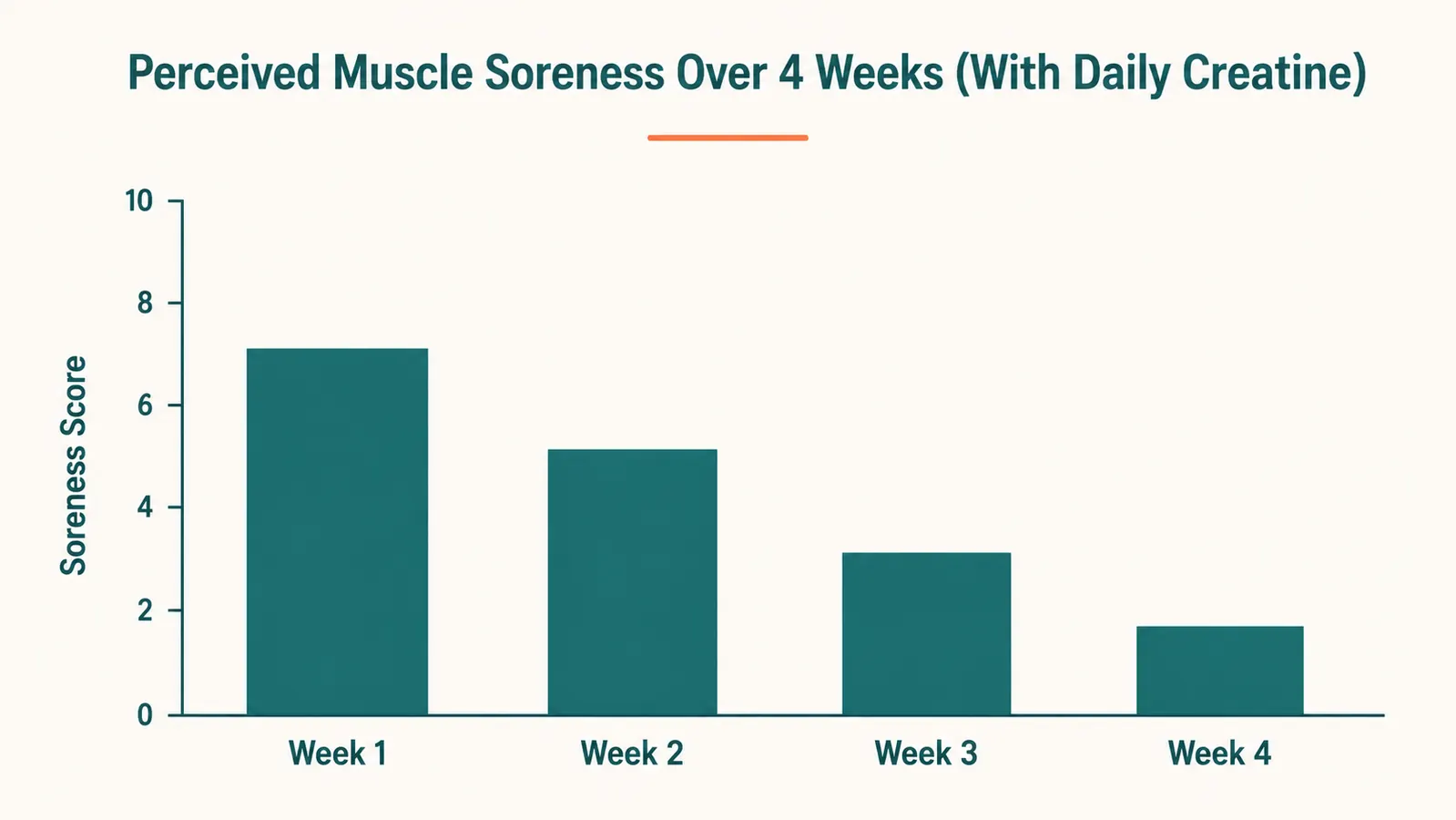
DOMS, that two-day-later soreness that makes stairs feel like a punishment, is partly caused by muscle cell damage and the inflammatory response that follows. Several studies have found that athletes taking creatine monohydrate reported lower perceived soreness in the 24 to 72 hours after intense exercise compared to those taking a placebo. The likely mechanism is less muscle cell disruption during exercise, plus faster clearance of metabolic byproducts afterward. For anyone training multiple days a week, less DOMS means more quality sessions.
It Supports Muscle Protein Synthesis Between Sessions
You build muscle during recovery, not during the workout itself. Research suggests creatine supplementation can enhance the anabolic signaling environment in muscle tissue, supporting protein synthesis in the hours and days after training. Many lifters find they retain muscle better during calorie deficits or high-volume training blocks when they use creatine consistently. If you are trying to get stronger without gaining bulk, or to hold onto lean muscle while losing weight, that matters a lot.
It Helps Muscles Hold on to Water in a Good Way
Creatine draws water into muscle cells, a process called cell volumization. This is not the puffiness people sometimes fear. Intracellular hydration is actually associated with reduced muscle protein breakdown and a better environment for recovery. Think of it as your muscles staying fuller and more resilient between sessions. Many athletes notice a slight weight increase in the first one to two weeks of creatine use, mostly from this intracellular water retention, not fat. Once you know what it is, it stops being alarming.
It May Lower Inflammation Markers After Exercise
Exercise-induced inflammation is normal and necessary, but too much of it slows recovery and leaves you stiff. Some research suggests creatine supplementation can modestly reduce markers of oxidative stress and inflammation following strenuous training. For people who train frequently or work physically demanding jobs, keeping that inflammatory response in check can mean feeling less beat up by Thursday even when Monday and Tuesday were hard. This is especially relevant for nurses, shift workers, and anyone whose job is itself a form of physical stress.
Creatine is not a magic pill. It is a well-studied compound that stacks small advantages in recovery, session after session, until those advantages add up to something you can actually feel.
It Can Help You Recover Strength Between Sessions Faster
One of the more practical findings in creatine research is how quickly trained athletes recover their strength after a hard session. Studies have shown that creatine users tend to regain force production capacity faster than non-users in the 24 to 48 hours after training. If you lift three times a week, that window matters. Feeling 90 percent recovered before your next session is very different from feeling 70 percent recovered. Many lifters describe this as feeling ready to train again sooner, rather than having to push through fatigue.
It Is One of the Best-Studied Supplements in Sports Science
This one matters because the supplement aisle is full of things that have almost no research behind them. Creatine monohydrate has decades of peer-reviewed data across thousands of subjects, including recreational athletes, older adults, and clinical populations. The International Society of Sports Nutrition has called it the most effective ergogenic nutritional supplement currently available for increasing high-intensity exercise capacity and lean body mass. For recovery specifically, that depth of research gives you much more confidence than most products can offer. Learn exactly how to dose and time creatine for recovery if you want to dig deeper.

It May Support Cognitive Recovery After Demanding Days
Creatine is not just in your muscles. It is also present in the brain, where phosphocreatine plays a role in energy metabolism under mental stress. Some research suggests creatine supplementation supports cognitive performance, particularly under sleep deprivation or high cognitive load. For nurses working 12-hour shifts, parents running on broken sleep, or anyone whose day is exhausting before they even get to the gym, this is worth noting. You are not just recovering a body; you are recovering a whole person. Research suggests creatine may help with both.
It Works Without a Loading Phase (Convenient for Real Life)
The classic creatine loading protocol, where you take 20 grams a day for a week before dropping to a maintenance dose, works. But research also shows that simply taking 3 to 5 grams per day produces the same muscle saturation after three to four weeks, with less GI discomfort for people who are sensitive to it. For busy schedules, that simplicity is a real advantage. You can take one scoop of Optimum Nutrition Micronized Creatine in your morning water and move on with your day. No complicated cycling, no timing windows you have to obsess over.
It Is Affordable Enough to Use Consistently Long-Term
Consistency is the whole game with creatine. It takes a few weeks to saturate your muscles, and the benefits compound over months of daily use. A tub of Optimum Nutrition Micronized Creatine provides 60 servings at a few dollars per week, making it one of the most cost-effective recovery tools you can buy. Compare that to a massage gun, compression boots, or a cold plunge tub, and the value per dollar of consistent creatine use is hard to beat. See a full 12-week breakdown of what consistent creatine use actually did for one athlete's recovery. It is the rare supplement where the price does not get in the way of doing it right.
What I Would Skip
If you are looking at fancier creatine forms, like creatine HCl, buffered creatine, or creatine ethyl ester, the research does not clearly show they outperform plain creatine monohydrate for recovery. They often cost significantly more. The marketing leans on solubility claims or stomach comfort, but for most people, micronized creatine monohydrate, which is what Optimum Nutrition uses, already mixes cleanly and sits well in the gut. Save your money and spend it on consistent use of the form that has the most evidence behind it. Also skip the proprietary blends where creatine is buried in a mix with dozens of other ingredients. You want to control your own dose. Read a full honest breakdown of whether brand name creatine is worth it versus cheap alternatives if you want to compare before you buy.
The fancier the creatine, the thinner the evidence. Plain creatine monohydrate has 30 years of research behind it. That track record matters more than a sleek label.
Ready to recover faster between sessions? Start with the most-researched supplement in sports science.
Optimum Nutrition Micronized Creatine Monohydrate is unflavored, easy to mix into any drink, and backed by over 104,000 Amazon reviews. One scoop per day is all it takes. No complicated loading required. Check the current price and pick up a tub today.
Amazon Check Today's Price on Amazon →